

How Much Storage Space Do You Really Need in a Home?
Storage is easy to overlook when you are touring a home with a beautiful kitchen, comfortable bedrooms, or a backyard you love. It often becomes much more important after moving day, when boxes need to be unpacked and everyday belongings need a permanent place. The right amount of storage is different for every household, so there is no single number of closets or cabinets that guarantees a good fit. A family with young children may need room for toys, sports equipment, and seasonal clothing, while someone who enjoys outdoor activities might care more about garage space. How often you entertain, travel, work from home, or pursue hobbies can also affect your needs. Rather than simply looking for a home with "lots of storage," it helps to understand what you actually own and where those items would go. Storage should make everyday routines easier rather than becoming a collection of spaces filled with things you rarely use. Thinking about your needs before buying can help you evaluate homes based on function instead of closet count alone. A little planning can also reveal that you need less storage than you originally thought.
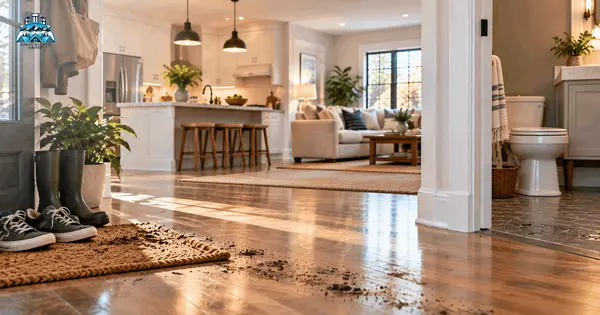
Before deciding how much storage space you need, take inventory of the belongings that require a dedicated place. Everyday items such as clothing, shoes, cookware, cleaning supplies, towels, and pantry goods should be easy to reach. Seasonal items, holiday decorations, luggage, tools, and outdoor equipment can usually be stored farther from the main living areas. The distinction matters because a home can have plenty of total storage while still lacking convenient storage where you need it most. A large basement does not necessarily solve the problem of a kitchen with too few cabinets or an entryway with nowhere to put shoes and coats. Think about where clutter tends to collect in your current home because those areas often reveal missing or poorly designed storage. If the dining table constantly becomes a drop zone for mail and bags, for example, a functional entryway could be more useful than another large closet elsewhere. It is also worth sorting through belongings before assuming everything needs to move with you. Removing things you no longer use gives you a more accurate picture of the storage your household actually requires.
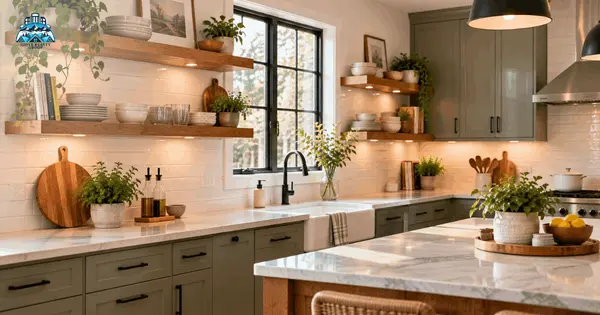
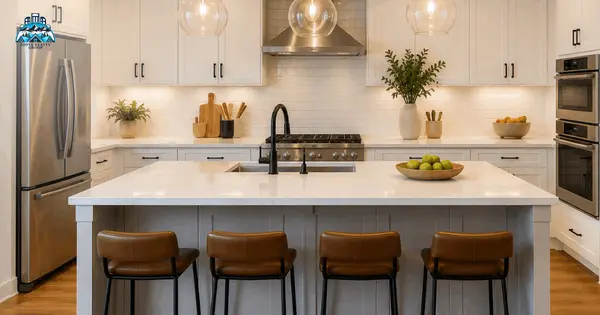
When touring a property, evaluate how usable the storage is rather than simply counting closets. A deep closet may look impressive but become frustrating if items at the back are difficult to reach. Shelving, hanging space, drawer configurations, and door placement can make a smaller closet surprisingly efficient. Kitchen storage deserves the same careful attention because cabinet quantity does not always equal useful capacity. Consider where you would keep cookware, dishes, food, small appliances, and household supplies while maintaining enough workspace on the counters. Bathrooms benefit from convenient places for towels, toiletries, cleaning products, and extra supplies, especially when several people share the space. Bedrooms need enough clothing storage for the people who will actually use them, which may involve both closets and furniture. Garages, sheds, basements, and attics can provide valuable overflow storage, but accessibility and appropriate conditions matter for anything stored there. Walking through a home while mentally assigning locations to your belongings can reveal much more than simply admiring an empty closet.
It is tempting to assume that more storage will automatically make a home more organized. In practice, extra cabinets and closets can sometimes encourage homeowners to keep belongings they no longer need simply because there is room for them. Well-designed storage usually matters more than sheer quantity. Adjustable shelving, closet organizers, built-in cabinets, wall-mounted systems, and multifunctional furniture can make existing spaces significantly more useful. Vertical storage is particularly helpful because it uses wall height without taking up additional floor space. Homeowners can also improve functionality by keeping frequently used items accessible and moving seasonal belongings to less convenient areas. If you are comparing homes, consider the trade-offs involved in getting additional storage. A larger house or garage may provide more room, but it can also come with additional maintenance, furnishing, and household costs. Choosing a home based on the space you realistically use can help prevent you from paying for square footage that mainly stores unnecessary belongings.
The right amount of storage depends less on a specific square-footage figure and more on how your household lives. Start by understanding what you own, what you use regularly, and which belongings genuinely need dedicated storage. Then look for a home that provides practical storage in the places where those items are used. Pay attention to the quality and accessibility of closets, cabinets, garages, and other storage areas rather than counting them alone. Remember that organization can improve the usefulness of existing space, while additional storage cannot always fix inefficient habits. A home should give your belongings a sensible place without requiring you to dedicate unnecessary square footage to storing things you rarely use. Thinking about storage this way can also make home tours more productive because you are evaluating how the property would function after move-in day. The best storage solution is one that supports your routines while keeping living areas comfortable and manageable. If you have questions about finding a home that fits your space and storage needs, working with a knowledgeable local real estate professional can help you evaluate your options carefully.
Categories
Recent Posts





GET MORE INFORMATION