

Preparing Your Home for a New Pet
Preparing your home for a new pet starts with observation. Consider how each room functions from an animal's perspective carefully. Pets explore with curiosity and little understanding of potential risks. Secure loose cords to prevent chewing accidents before they happen. Remove small objects that pets might swallow easily and accidentally. Choose washable materials for furniture and floor surfaces for durability. Designate a quiet area for rest and comfort effectively. Pets need predictable spaces to feel safe consistently. Install gates to limit access initially for better control. Check fences for gaps before outdoor exploration begins safely. Store cleaning supplies securely out of reach of pets. Use non-slip mats in high-traffic areas consistently. Plan feeding areas away from heavy footpaths carefully. Ensure water bowls remain accessible throughout the day regularly. Pets benefit from consistent routines inside homes for comfort. Preparing early reduces stress for everyone involved significantly. Homes feel calmer when pets have clear boundaries established. Simple preparation prevents many common accidents that often occur. Pets adjust faster when spaces feel welcoming consistently. Grateful planning supports smoother transitions for households successfully.
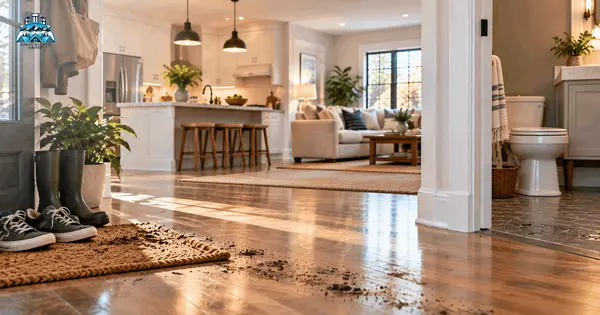
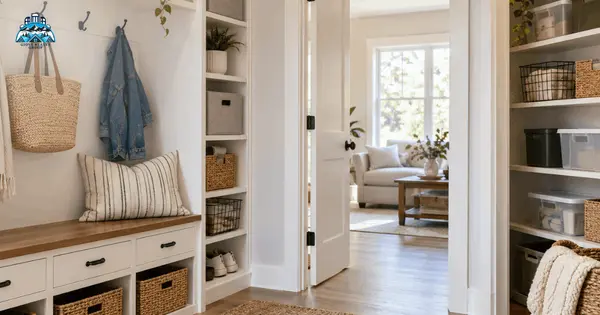
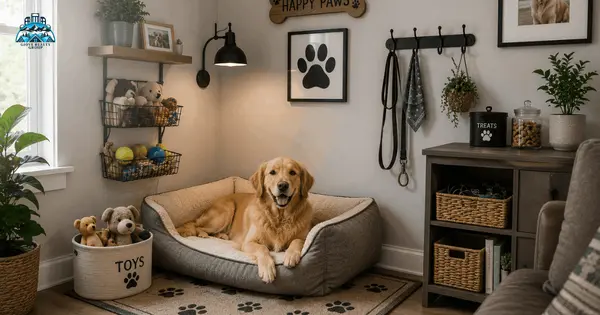
Consider flooring choices when welcoming a new pet into your home. Hard surfaces are easier to clean regularly and efficiently. Area rugs can provide comfort and traction where needed. Choose materials that handle scratches reasonably well for longer periods. Protect walls near doors from repeated accidental contact. Install hooks for leashes near entryways for organization. Keep waste disposal tools organized and accessible at all times. Pets learn routines faster when supplies stay consistent properly. Provide storage for toys to reduce clutter effectively every day. Rotate toys to maintain engagement without creating unnecessary mess often. Secure trash cans to prevent curious access and accidents. Use door stoppers to avoid sudden slams on doors. Pets respond better in predictable environments that remain stable. Remove toxic plants before pet's arrival occurs for safety. Check windows for secure screens to prevent accidental falls. Pets enjoy observing outside safely through secured spaces consistently. Preparing spaces prevents behavior issues later in development. Homes feel balanced when pets have structure consistently. Simple adjustments improve daily living together for smoother routines. Grateful preparation builds stronger pet relationships permanently and naturally.
Safety checks should happen before pets explore freely around homes. Inspect stairs for gaps or slippery surfaces carefully. Install rails or covers where needed for extra protection. Check balconies for secure barriers to prevent dangerous falls. Pets may not recognize height dangers immediately and instinctively. Ensure smoke detectors function properly throughout the home consistently. Keep emergency contacts visible for pet sitters and family. Prepare a basic pet first aid kit always. Identify local veterinarians before emergencies arise for peace. Pets benefit from calm owner preparation and guidance daily. Label storage containers clearly for food and supplies easily. Avoid leaving food accessible unattended at all times. Check yard plants for toxicity to prevent accidental ingestion. Provide shaded outdoor areas when possible for comfort. Pets appreciate comfortable temperature control indoors. Secure heaters to avoid burns and accidents efficiently. Remove sharp edges near common paths for safety purposes. Pets explore without caution initially until trained effectively. Safety planning supports confident exploration around home spaces. Grateful care ensures long-term well-being for pets always.
Training areas help pets learn expectations quickly and clearly. Choose one space for initial training sessions consistently. Keep commands consistent across household members for easier understanding. Pets learn faster with clear communication and guidance. Limit access gradually as trust builds between home areas. Provide praise to reinforce positive behavior daily. Avoid punishment that creates fear or confusion immediately. Consistency builds understanding and comfort inside homes. Pets thrive when expectations remain stable long-term. Designate sleeping areas away from noise and distractions. Respect rest time for new pets daily. Maintain routines even during busy days continuously. Pets notice household patterns quickly and react accordingly. Preparation reduces stress for pets and owners alike. Homes feel complete when pets settle in properly. Simple habits create lasting harmony inside homes consistently. Pets reflect the environment provided carefully by their owners. Thoughtful preparation supports smoother adjustment periods naturally. Grateful patience strengthens daily companionship and bonds. Prepared homes help pets feel truly welcome always.
Categories
Recent Posts




GET MORE INFORMATION