

Simple Ways to Check Lighting in Every Space
Lighting plays a major role in how a home feels and functions. Each room needs a different approach based on its purpose. Start by observing natural light throughout the day. Notice how the light changes in the morning, afternoon, and evening. Check whether windows bring in enough brightness for your needs. Think about how often you use each room and what activities happen there. Workspaces need stronger light, while relaxation areas benefit from softer lighting. Look at shadows to see if they affect visibility. Pay attention to how the light reflects off surfaces like floors and walls. Consider whether the room feels too dark or too bright. Simple observations can shape your choices. Studying the light helps you understand each space better.
Once you understand natural light, evaluate artificial lighting. See which fixtures are already in place and whether they meet your needs. Overhead lights offer general visibility, while lamps help with focused tasks. Test switches and bulbs to check brightness levels. Consider adding multiple light sources to give rooms flexibility. A single bright light can sometimes create harsh shadows. Layering light sources keeps the room balanced. Look at how the light temperature affects the space. Warm tones feel calm, while cooler tones suit work areas. Keep your lighting choices consistent across open spaces. Balanced lighting supports comfort and functionality.
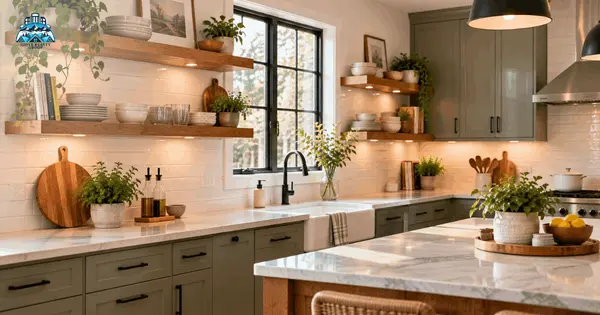
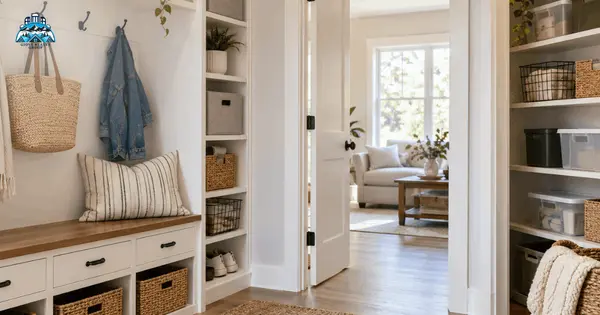
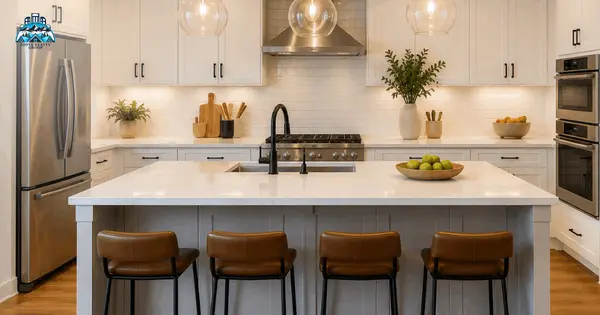
When evaluating lighting, think about safety and accessibility. Hallways, stairs, and entryways need clear illumination. Poor lighting in these areas can cause accidents or stress. Brightness should make movement easy without glare. Bathrooms and kitchens also need attention because of their daily use. Strong and even lighting helps you complete tasks safely. Bedroom lighting should allow both rest and reading. Living rooms benefit from adjustable lighting for different moments of the day. Don’t overlook closets, which often need better visibility. Proper lighting in every room improves the overall experience. Small lighting changes can make a home feel more complete.
After evaluating each room, consider simple updates. Replacing bulbs is an easy and inexpensive way to improve brightness. Adding lamps or under-cabinet lights expands your lighting options. Curtains or blinds also affect how much natural light enters the room. Clean windows regularly for better daylight flow. Rearranging furniture may help more light reach important areas. Small shifts create meaningful change. Testing different setups gives you a sense of what works best. Over time, each room becomes more comfortable and better lit. Purposeful lighting choices make daily routines easier.
Categories
Recent Posts







GET MORE INFORMATION