

How to Make Your Home Comfortable for Family Gatherings
Family gatherings often bring some of the most enjoyable moments of homeownership, from casual weekend dinners to birthdays, celebrations, and afternoons spent catching up with relatives. However, hosting several people can also reveal small challenges that are easy to overlook during everyday life, especially when seating is limited or rooms become crowded. Guests may struggle to find a comfortable place to sit, everyone may gather in the kitchen while food is being prepared, or the dining area may not have enough room for people to move around easily. These situations do not necessarily mean your home is too small or unsuitable for entertaining. In many cases, a few adjustments to furniture placement, serving arrangements, and shared spaces can make gatherings more comfortable without requiring renovations. The goal is to create an environment where guests can relax, move around safely, and enjoy spending time together. A comfortable home for family gatherings should also be practical for the people hosting, since complicated arrangements can make an otherwise enjoyable occasion feel unnecessarily demanding. Thinking about how guests naturally use your home can help you identify which changes would make the biggest difference. With a little planning, even modest living and dining areas can become welcoming spaces for spending time with family.
Furniture placement has a significant influence on how comfortably people can gather in a room, particularly when more guests are present than usual. A living room arranged primarily for watching television may not provide the best setup for conversation, especially when every seat faces the same direction. Moving chairs slightly inward or arranging seating around a central table can make it easier for people to talk without constantly turning or moving around. Consider how guests will enter and leave the room, reach refreshments, and move between seating areas without squeezing through narrow spaces. Oversized coffee tables, decorative stands, and unnecessary furniture can sometimes be moved temporarily to create more usable floor space. If additional seating is needed, chairs from a dining room, home office, or bedroom may work well without requiring the purchase of extra furniture. Keep in mind that different guests may have different mobility and comfort needs, so providing some sturdy chairs with supportive backs and accessible seating can be helpful. Smaller conversation areas can also work better than forcing everyone into one arrangement, particularly when family members naturally separate into groups. The most practical layout is one that allows people to gather comfortably while keeping the room easy to navigate.
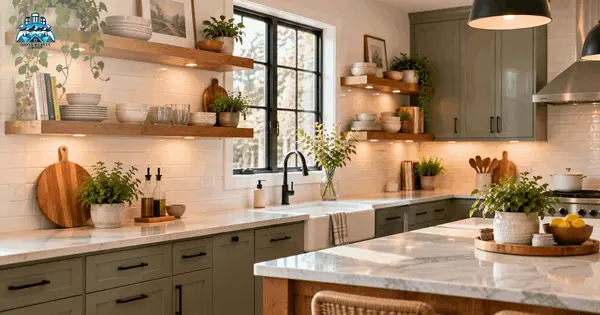
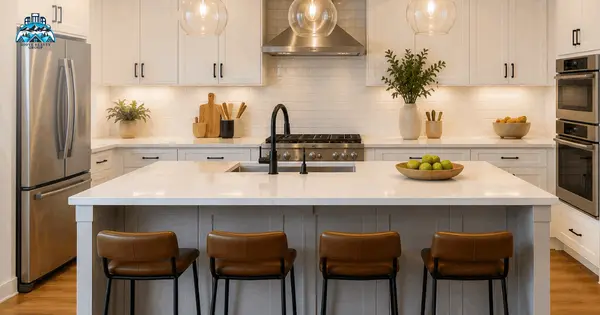
Food often becomes the center of a family gathering, so the kitchen and dining areas deserve attention before guests arrive. Start by considering how meals will be served and whether your existing table comfortably accommodates the number of people attending. If seating is limited, a casual buffet arrangement or separate dining areas may work better than trying to fit everyone around one crowded table. Clearing unnecessary items from countertops can create more room for food preparation, serving dishes, and beverages. Keeping drinks in a separate location may also reduce congestion around the kitchen, particularly when several people are preparing or serving food. Think about where guests can place plates and glasses while sitting, since comfortable seating becomes less useful when there is nowhere nearby to set anything down. If children will be attending, a designated area for age-appropriate activities can help keep toys and games away from busy cooking and serving spaces. Food safety also deserves attention, including keeping perishable foods at appropriate temperatures and ensuring hot dishes, sharp utensils, and cooking equipment are handled carefully. Simple preparation can make meals easier to serve while allowing hosts to spend more time enjoying the gathering instead of managing avoidable problems.
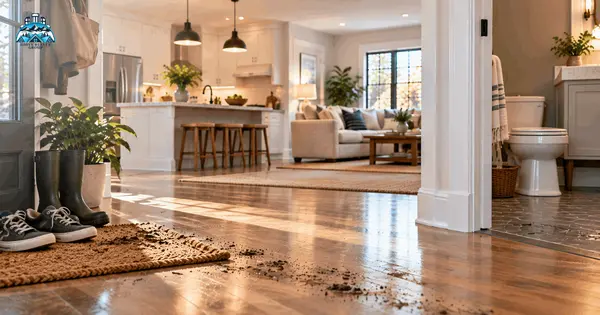
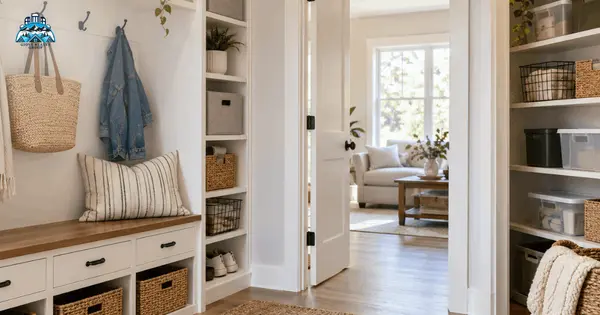
A comfortable gathering depends on more than having enough chairs and table space. Lighting, room temperature, noise, and access to frequently used areas can all influence how enjoyable the experience feels for guests. During daytime events, opening suitable window coverings can make rooms feel brighter, while adjustable lighting may help create a more comfortable atmosphere for evening gatherings. When several people occupy the same room, indoor temperatures may rise, so consider ventilation and heating or cooling settings before guests arrive. Outdoor areas can provide additional gathering space when weather conditions allow, especially if seating, shade, and lighting are available. Keep commonly used areas, including bathrooms and entryways, accessible and free from unnecessary clutter. If guests will be bringing coats, bags, or other belongings, designate a convenient place for them so these items do not crowd seating areas. It is also worth thinking about noise levels, particularly when several conversations, music, and television sound compete within the same space. Paying attention to these practical details helps guests feel comfortable without requiring elaborate decorations or expensive entertaining equipment.
Making your home more comfortable for family gatherings is less about creating a perfect entertaining space and more about helping people enjoy their time together. Thoughtful furniture placement, accessible seating, convenient food arrangements, and clear walking paths can improve the experience for both guests and hosts. Small adjustments to lighting, temperature, and storage can also make a noticeable difference, particularly when several people are sharing the same rooms. You do not need a large house or a formal dining room to create an enjoyable gathering. A home that functions well for your family can often accommodate visitors with a little flexibility and preparation. Focus on the areas where people naturally gather and address the details that make those spaces harder to use. Remember that guests are generally there to spend time with the people they care about, not to evaluate every decorating choice or piece of furniture. Creating a welcoming atmosphere allows everyone to relax and enjoy the occasion without unnecessary distractions. If you are considering a move because your household needs more room for everyday living or entertaining, a knowledgeable local real estate professional can help you evaluate homes that fit your priorities.
Categories
Recent Posts





GET MORE INFORMATION